
Few plants feel as welcoming as chamomile. Its small daisy-like flowers have been steeped into soothing teas for thousands of years, valued for the way they ease tension and invite rest.
A warm cup in the hour before bed can become a gentle signal to your body that the day is closing. Pair it with a dimmed room and a few slow breaths, and you have a simple ritual worth returning to. As always, if you are pregnant or taking medication, check with a practitioner before making any herb a daily habit.
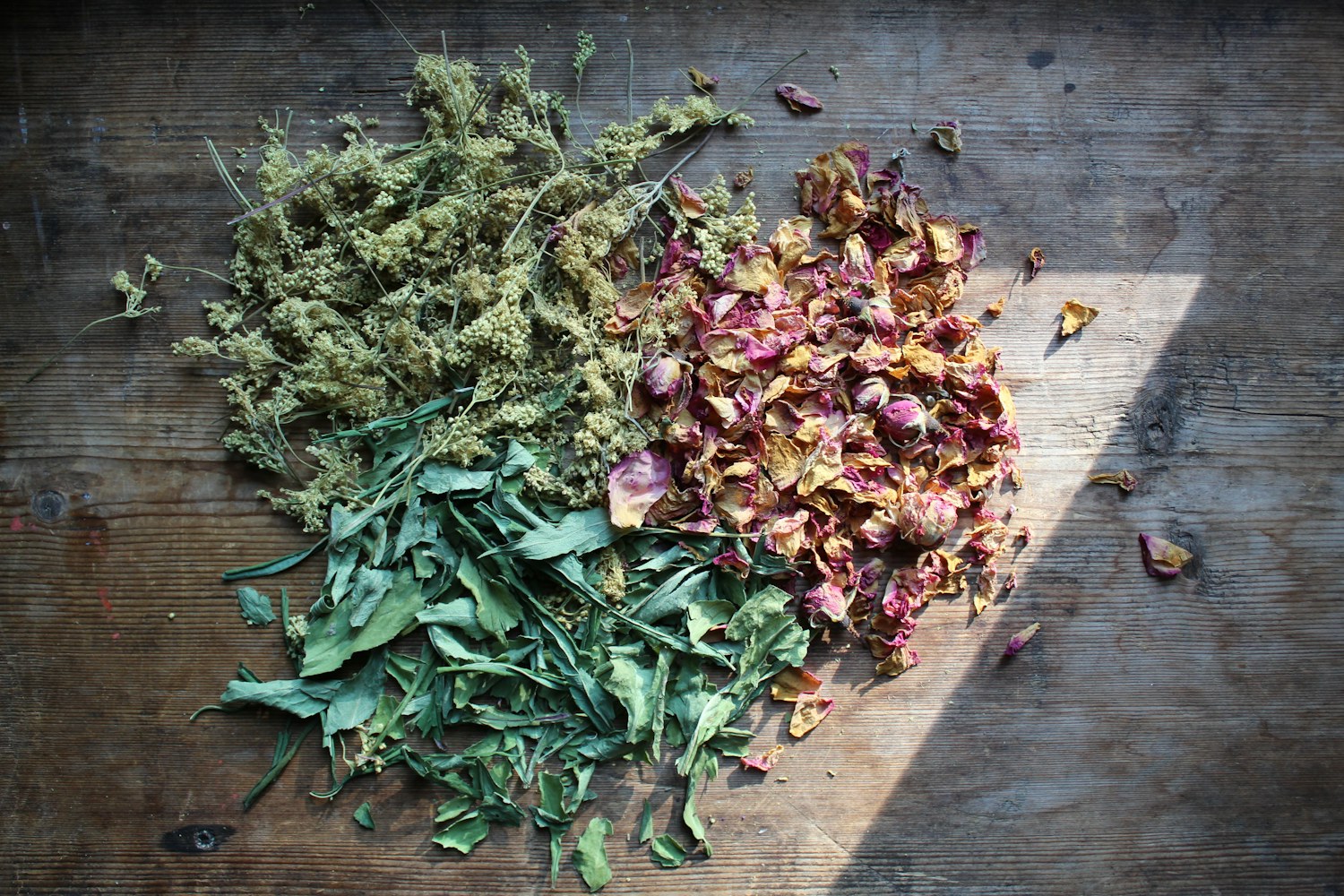
Adaptogens have been used for centuries in traditional medicine systems. They work by supporting the body’s natural ability to cope with stress, gently nudging us back toward balance rather than forcing a single effect. In this piece we explore ashwagandha, rhodiola, and holy basil — how they work, who they suit, and how to fold them into a calm daily ritual without overcomplicating your routine.
We tend to avoid bitterness, yet it may be one of the most useful flavors on the table. Bitter herbs like dandelion, gentian, and artichoke leaf have long been taken before meals to gently prepare the body to digest.
The idea is simple: the taste of bitterness encourages the natural rhythms of digestion to stir into action. A small bitter salad, a splash of herbal bitters in water, or a cup of dandelion tea before eating are all easy ways to invite a little more bitterness back in.

A morning ritual does not need to be elaborate to be meaningful. In fact, the simplest ones tend to last the longest.
Try choosing just three small things: a glass of water before coffee, a few minutes of natural light, and one slow warm drink enjoyed without a screen. Done consistently, these tiny choices add up to a calmer, more grounded start. The goal is not perfection but a gentle sense of beginning the day on your own terms.
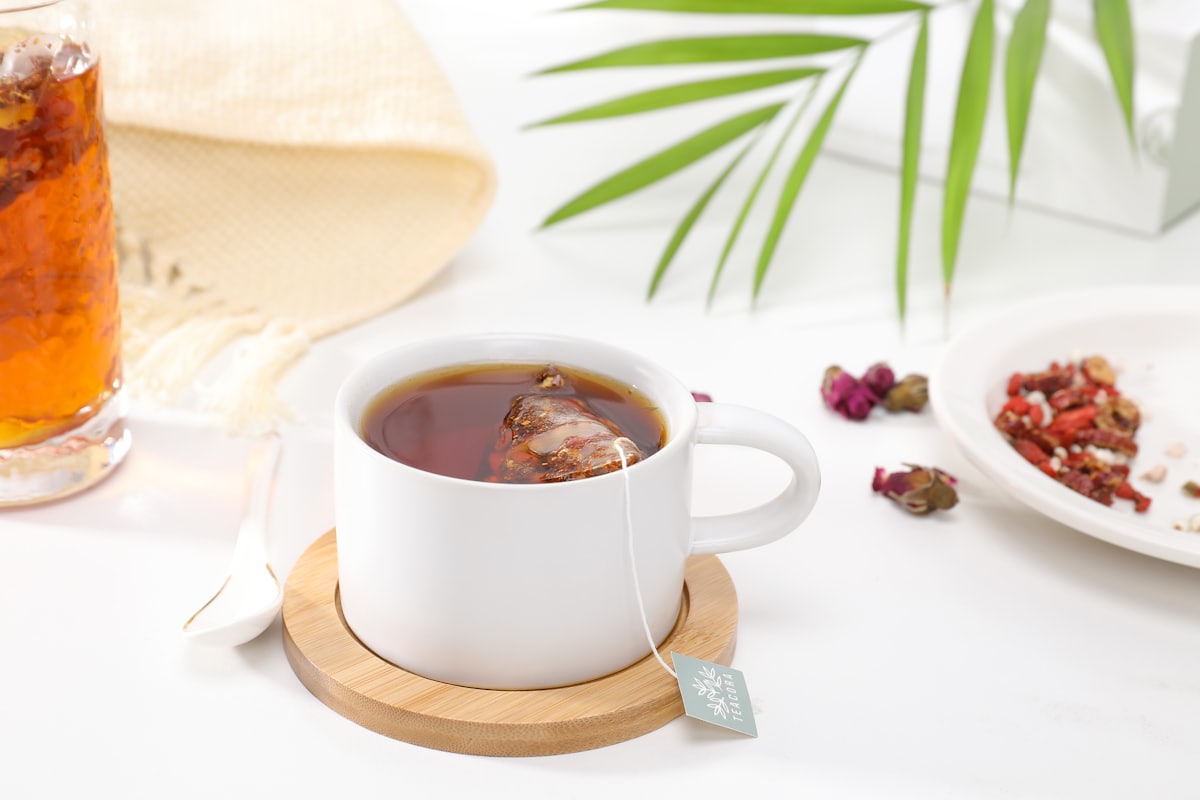
There is something deeply grounding about preparing a tincture by hand. We walk through choosing your base, the maceration window, and the small details that make the difference between a harsh extract and a smooth, aromatic one you actually look forward to. Patience is the active ingredient here.
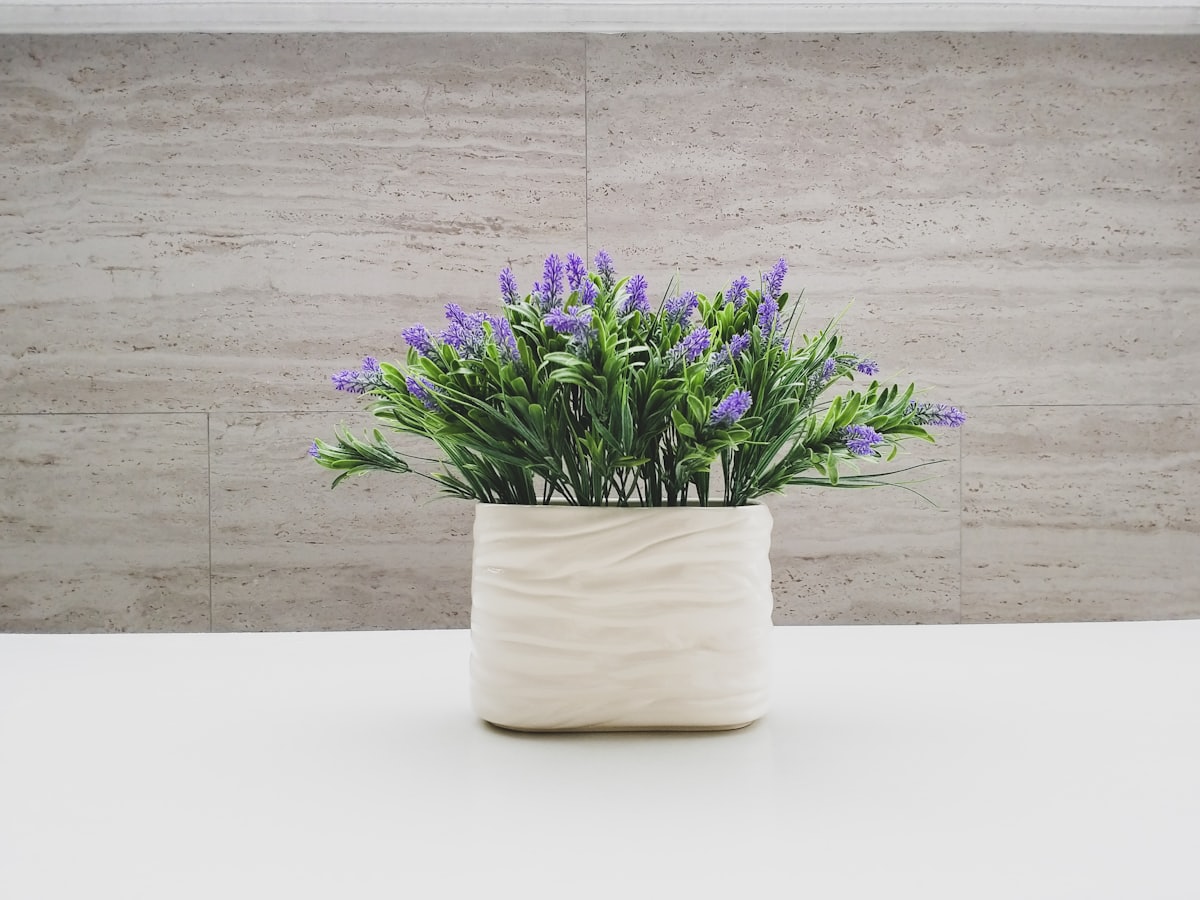
Lavender is so associated with sleep that it is easy to overlook everything else it offers. Its calming aroma can soften a tense afternoon just as readily as a restless night.
A light infusion makes a fragrant tea, a few drops of the diluted oil can ease the feel of tired skin, and a small sachet tucked into a drawer keeps the scent close throughout the day. Like all aromatic herbs, a little goes a long way — lavender rewards a gentle hand.

Of all the things we can do for our wellbeing, drinking enough water is among the simplest — and the easiest to forget.
Rather than chasing a strict number, try anchoring water to things you already do: a glass when you wake, one with each meal, one mid-afternoon. A slice of cucumber, a sprig of mint, or a squeeze of lemon can make it something to look forward to rather than a chore. Your energy, skin, and focus all quietly benefit when hydration becomes a habit instead of an afterthought.

From valerian to passionflower, certain plants have long been trusted companions for the end of the day. We look at the traditional uses, what current understanding suggests, and how to combine them thoughtfully and safely into a bedtime practice that feels like an exhale.

The circadian rhythm governs far more than sleep. When we align our meals, movement, and light exposure with our internal clock, energy and mood often follow. This guide offers a grounded, non-dogmatic look at living more in step with your own natural tempo.

No special equipment, no complicated rules — just water, plants, and a little time. We cover the difference between an infusion and a decoction, which herbs are forgiving for beginners, and how to build a small but versatile tea shelf you will actually use.