Common Names: Dandelion, common dandelion, lion’s tooth, blowball, puffball, priest’s crown, pissenlit, wet-the-bed, Irish daisy, monk’s head
Genus: Taraxacum
Parts Used: Leaf, Root, Flower, Whole plant
Medicinal Actions: Diuretic, Bitter digestive tonic, Choleretic (bile-stimulating), Hepatic (liver support), Anti-inflammatory, Antioxidant, Prebiotic, Mild laxative
Preparation Methods: Tea/Infusion, Decoction (root), Tincture, Cooked (pot-herb), Roasted root ‘coffee’, Fresh salad leaf
A Familiar Friend, Not a Weed
Almost everyone knows the dandelion, even if they have never learned its name. It is the cheerful yellow flower that opens across lawns, meadows and roadside verges every spring, the one whose ripe seed-head children pick and blow into the wind. For most people it is simply a weed – something to be dug out of a tidy garden. Yet this humble plant is one of the most useful, nourishing and well-loved herbs in the world, and it has been treasured as both food and medicine for many hundreds of years across Europe, Asia and the Americas (Sharifi-Rad et al., 2018; Herbal Reality, n.d.).
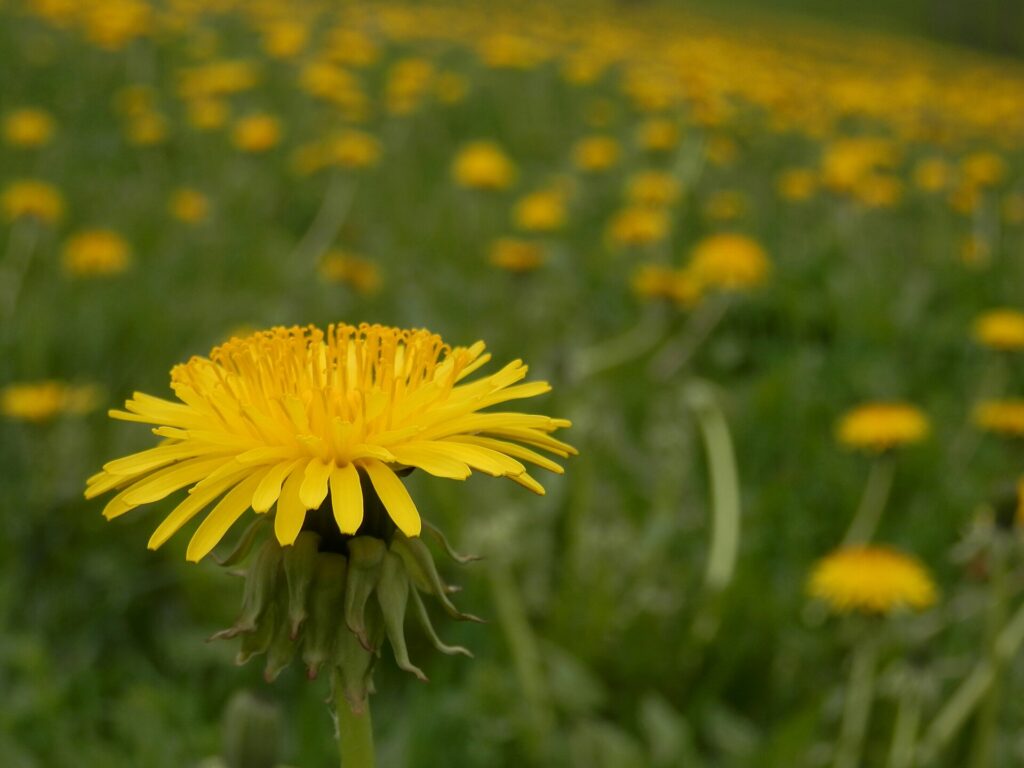
The dandelion (Taraxacum officinale) is a perennial member of the daisy family. You can recognise it by its rosette of jagged leaves lying flat against the ground, its hollow stems that ooze a milky white sap when snapped, and its golden flowers that close up at night and later turn into the soft, silvery “clocks” of floating seed (First Nature, n.d.; Royal Botanic Gardens, Kew, n.d.). Every part of it has a use. The young leaves make a slightly bitter salad green and a gentle remedy for the kidneys and water retention; the root – packed with a soothing fibre called inulin – supports digestion and the liver, and can be dried, roasted and brewed as a caffeine-free coffee; and the bright flowers become wine, syrup and honey-like spreads (Kania-Dobrowolska and Baraniak, 2022; Herbal Reality, n.d.).
Even the plant’s many names tell its story. “Dandelion” comes from the Old French dent de lion, meaning “lion’s tooth”, a nod to the sharp teeth along the edges of its leaves. The French pissenlit and the old English “wet-the-bed” are both cheeky references to its well-known ability to make you pass water (First Nature, n.d.).
Where It Grows
The dandelion originally came from Eurasia – stretching from Europe right across to Siberia, along with north-west Africa and the Atlantic islands. Thanks to its toughness and its thousands of wind-blown seeds, it has since spread to almost every temperate corner of the planet, including the Americas, southern Africa, Australia and New Zealand (Royal Botanic Gardens, Kew, n.d.; Wikipedia, n.d.).
It is a plant of open and disturbed ground, perfectly at home in lawns, pastures, meadows, verges, waste places and even the cracks in pavements. Few plants are so forgiving of difficult conditions: it shrugs off crowding, trampling, drought and cold alike, and its long, deep taproot lets it survive where others give up, springing back vigorously after every mowing (Wisconsin Horticulture, n.d.; Royal Botanic Gardens, Kew, n.d.). Here in the Baltic, the dandelion is one of the most common and recognisable plants of the Latvian landscape, scattered through meadows, gardens, lawns and field margins everywhere you look (First Nature, n.d.).
Getting to Know the Plant
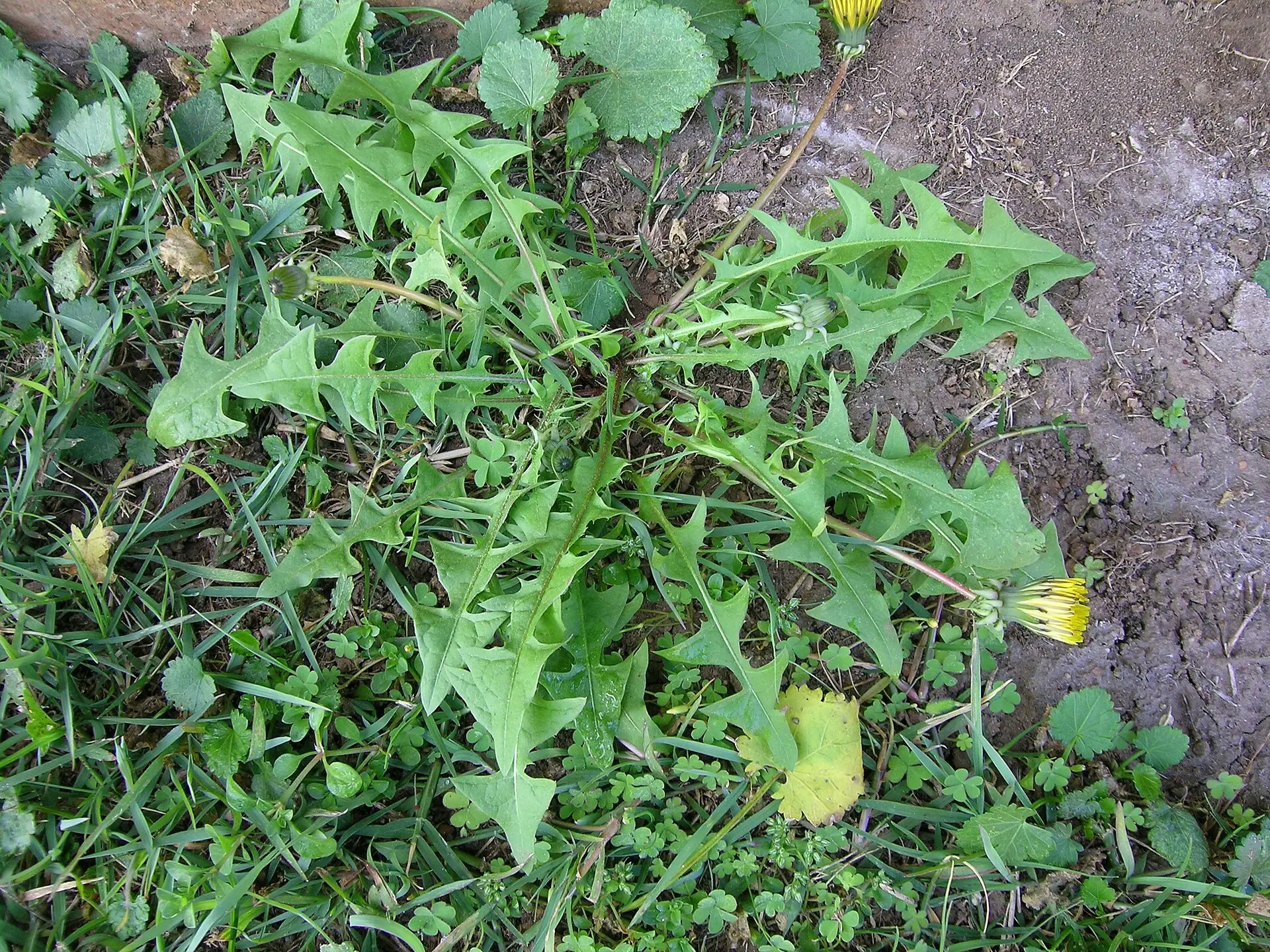
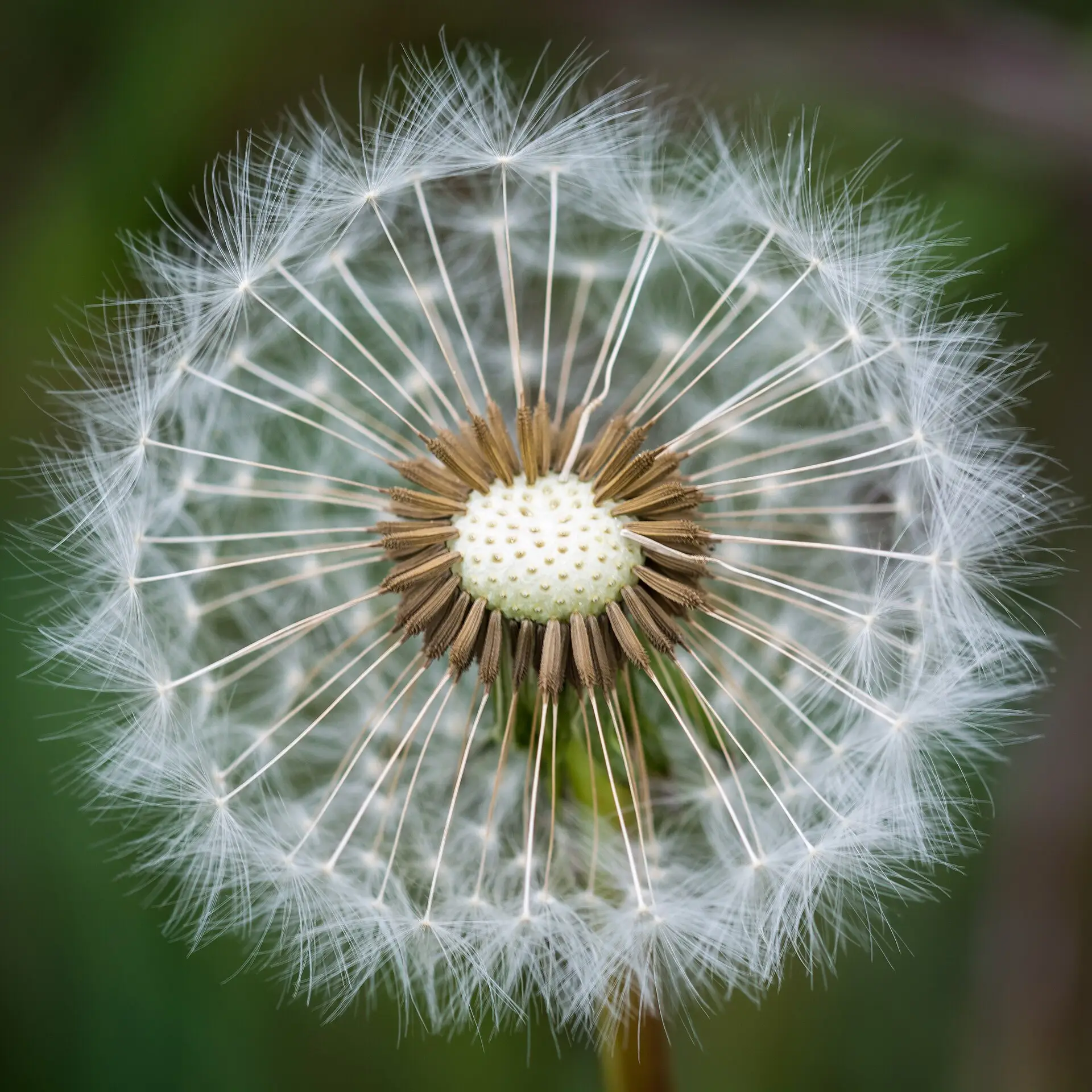
The dandelion grows from a stout, deep taproot and forms a flat rosette of leaves close to the ground. From the centre rise one or more smooth, hollow stems, each carrying a single flower-head made up of many tiny strap-shaped yellow florets packed tightly together (FSUS, n.d.; University of Massachusetts, n.d.). Snap any part of the plant and it weeps a white, milky juice (Royal Botanic Gardens, Kew, n.d.). The flowers close at night and in wet weather, and once they have been pollinated they transform into the familiar round seed-head, whose parachute-like fruits drift away on the breeze – a single head can release up to around two thousand seeds (Royal Botanic Gardens, Kew, n.d.).
Curiously, the everyday lawn dandelion is not really one neat species at all. It is a large family of many hundreds of almost-identical micro-species that set seed without the need for pollination, written by botanists as Taraxacum officinale agg. Telling them apart is such specialised work that the experts who do it are affectionately nicknamed “taraxacologists” (Royal Botanic Gardens, Kew, n.d.; Botanical Society of Britain and Ireland, n.d.). For the rest of us, this makes no practical difference – they all look alike and are used in the same way.
The plant is also a treasure-chest of natural compounds, and a well-studied one. Its bitterness comes from substances called sesquiterpene lactones; it also contains protective plant sterols and triterpenes (such as taraxasterol), a range of antioxidant phenolic acids and flavonoids, and – especially in the autumn root – large amounts of the prebiotic fibre inulin (Sharifi-Rad et al., 2018; Herbal Reality, n.d.). In the laboratory these compounds have shown a wide spread of helpful activities, from calming inflammation and mopping up free radicals to supporting the liver and helping to balance blood sugar and fats – which helps explain why the plant has been so valued in traditional medicine (Sharifi-Rad et al., 2018; Kania-Dobrowolska and Baraniak, 2022).
Spotting It in the Wild
The dandelion is one of the safest and easiest of all wild plants to identify, which makes it a wonderful first plant for any beginner forager. Look first at the leaves: hairless, deeply and sharply lobed, with the points usually angled back towards the centre of the rosette – the “lion’s teeth” of its name – and growing in a flat circle straight from the ground, never up the stem (FSUS, n.d.; University of Massachusetts, n.d.).
The single most reliable test is the stem. Each flower sits alone on its own smooth, hollow, unbranched stalk, and when you break any part of the plant it bleeds that tell-tale milky white sap (Mossy Oak, 2025; Royal Botanic Gardens, Kew, n.d.). A handful of look-alikes in the daisy family – cat’s-ear, hawkbits, hawksbeards and sow-thistles – have similar yellow flowers and can cause confusion, but they give themselves away: their stems are usually solid rather than hollow, often branched, and carry more than one flower-head, and their leaves are frequently hairy (Practical Frugality, 2024; Mossy Oak, 2025). The true dandelion always shows a single flower on a hollow, unbranched, leafless stem with hairless leaves. Reassuringly, none of these look-alikes is poisonous, but the combination of jagged hairless leaves, a hollow single-flowered stem and milky sap will confirm a real dandelion every time.
When to Gather It
Each part of the plant has its own best season. The leaves are sweetest and most tender when picked young in early spring, ideal for salads and cooking; as the year goes on they grow tougher and more bitter, and are then better cooked like spinach than eaten raw (Farm and Dairy, 2021; Practical Frugality, 2024). Across Latvia and the wider Baltic this means the main leaf harvest runs from spring into early summer, with a softer second flush of growth in autumn.
The flowers are best gathered on dry, sunny mornings from around April to June, when they are fully open and at their most golden (Good Grub, n.d.). The root is the part where timing matters most. It is traditionally dug in autumn, once the leaves begin to die back and the plant has drawn its energy down into the root: at this point it is richest in inulin, sweeter, and best suited for roasting and for use as a gentle digestive remedy. Roots dug in spring tend to be more bitter, which some herbalists actually prefer as a stronger digestive stimulant (Good Grub, n.d.; HerbaWave, 2026).
One word of care applies to all wild gathering: only pick from clean ground, well away from busy roads, sprayed lawns and other polluted places, because dandelions readily soak up whatever is in the soil. Wash roots thoroughly, chop them and dry them in a warm, airy spot, and dry leaves quickly in the shade (Mossy Oak, 2025; Under A Tin Roof, 2025).
History, Culture and Symbolism
Few plants are woven so deeply into human life as the dandelion. Its very name in Latin, Taraxacum, is usually traced to Greek words meaning roughly “I heal inflammation” (from taraxis, inflammation, and akeomai, I heal), though some trace it instead to an old Arabic or Persian word for a bitter herb. The second half of its name, officinale, is a badge of honour from the old apothecaries: it marks a plant that earned an official place on the medicine shelf (Herbal Reality, n.d.; First Nature, n.d.).
Its written record stretches back a very long way. The ancient Greek naturalist Theophrastus is said to have mentioned it; Arab physicians of the tenth and eleventh centuries wrote of using it for complaints of the liver and spleen; and in 1543 the German botanist Leonhard Fuchs described it as a remedy for gout, diarrhoea and disorders of the liver and spleen (Herbal Reality, n.d.). Throughout medieval and early-modern Europe it was a trusted household remedy and a cherished spring tonic – one of the first fresh green plants of the year, eaten to “cleanse the blood” after a long winter of preserved food. When European settlers carried it to the Americas, several Native American peoples soon adopted it for kidney trouble, upset digestion and skin conditions (Herbal Reality, n.d.).
In the East, the closely related Taraxacum mongolicum has been used in traditional Chinese medicine since at least the Tang dynasty, more than a thousand years ago, to “clear heat and toxins” in conditions such as sore throats, abscesses and inflamed breasts during nursing (Wu et al., 2024; Hao et al., 2024).
Beyond medicine, the dandelion is pure folk-life. Its flowers are turned into a sweet golden country wine and a honey-like syrup; its roasted root has long stood in for coffee, especially in hard times; and its young leaves have flavoured countless spring salads. To children the world over, the seed-clock is a small piece of magic – a way to tell the time by counting puffs, or to carry a wish away on the wind. The plant’s sunny, resilient nature has made it a quiet symbol of hope, healing and the unstoppable return of spring. There is even a remarkable wartime footnote: one Central Asian relative, Taraxacum kok-saghyz, carries so much natural rubber in its milky sap that it was grown as an emergency rubber crop during the Second World War (HerbaWave, 2026).
In Latvian and broader Baltic folk tradition, as across the whole of northern Europe, the young spring leaves have long been eaten as a cleansing tonic green, and the plant has been valued as a gentle helper for the liver, the digestion and the body’s handling of water (Herbal Reality, n.d.).
Traditional Uses and What the Science Says
The traditional uses of dandelion gather around three parts of the body: the urinary system, the digestion, and the liver.
The leaf is the classic herbal “water tablet”, used for centuries to increase the flow of urine and ease fluid retention – the very use recorded in its old names pissenlit and “wet-the-bed”. Herbalists have long pointed out a neat advantage over many modern water tablets: the leaf is itself naturally rich in potassium, the very mineral that pharmaceutical diuretics tend to wash out of the body (HerbaWave, 2026; Herbal Reality, n.d.).
The root and leaf are also taken as bitter tonics – that first taste of bitterness gently wakes up the appetite, the flow of bile and the whole process of digestion. The root in particular has an old reputation as a friend to the liver and gallbladder, while its inulin acts as a prebiotic, feeding the helpful bacteria of the gut (Kania-Dobrowolska and Baraniak, 2022; Herbal Reality, n.d.).
Modern research is encouraging, though still at an early stage. According to PubMed, a small human pilot study found that a fresh-leaf extract noticeably increased how often volunteers passed urine in the hours after taking it – the first real clinical hint that the traditional diuretic use has a genuine basis, although the researchers were careful to say that larger studies are needed (Clare et al., 2009; DOI). Wider reviews of the dandelion describe a whole range of effects shown mainly in laboratory and animal studies – anti-inflammatory, antioxidant, antimicrobial, liver-protecting, and helpful in regulating blood sugar and blood fats – with compounds such as taraxasterol and the plant’s phenolic acids credited with protecting liver tissue and calming inflammation (Sharifi-Rad et al., 2018; DOI; Kania-Dobrowolska and Baraniak, 2022; DOI).
It is important to be honest about the limits of this evidence. Good-quality human trials remain few. The European Medicines Agency recognises dandelion only as a “traditional herbal medicinal product” – meaning its standing rests on long and safe use rather than on proven cures – and there is no approved EU health claim for it (HerbaWave, 2026). The fair conclusion is that dandelion is best thought of as a gentle, supportive food-medicine and a nourishing everyday plant, not as a treatment for any serious illness.
Safety and Sensible Cautions
Dandelion is widely regarded as safe, both as a food in ordinary kitchen amounts and in its customary medicinal use, with a very long track record across many cultures (Sharifi-Rad et al., 2018). Still, a few sensible cautions are worth knowing.
As a member of the daisy family, it can occasionally trigger an allergic reaction or a skin rash in people who are sensitive to that family – for example those allergic to ragweed, chamomile or chrysanthemums – and the milky sap may irritate sensitive skin (Rodriguez-Fragoso et al., 2007). Because it is a genuine bitter that stimulates the flow of bile, traditional practice avoids medicinal use in anyone with a blocked bile duct or gallstones, and advises caution for people with gallbladder or serious liver disease (Herbal Reality, n.d.).
Its water-clearing action means it may add to the effect of prescription diuretics, and it could in theory interact with lithium and with some other medicines, including those processed by the liver. Anyone on regular medication – particularly diuretics, lithium or drugs for the kidneys – should check with a doctor or qualified herbalist before using dandelion medicinally (Rodriguez-Fragoso et al., 2007; Herbal Reality, n.d.). Because the plant readily draws up pollutants and heavy metals from the soil, only ever gather it from clean ground. Medicinal use during pregnancy and breastfeeding should be discussed with a qualified practitioner, and – since the human evidence is still limited – dandelion should always support, rather than replace, conventional medical care.
References
Botanical Society of Britain and Ireland (n.d.) ‘Dandelion identification (Taraxacum)’. Available at: https://bsbi.org/identification/taraxacum (Accessed: 7 June 2026).
Clare, B.A., Conroy, R.S. and Spelman, K. (2009) ‘The diuretic effect in human subjects of an extract of Taraxacum officinale folium over a single day’, Journal of Alternative and Complementary Medicine, 15(8), pp. 929–934. doi:10.1089/acm.2008.0152.
Farm and Dairy (2021) ‘How to harvest and use dandelion roots, leaves and flowers’. Available at: https://www.farmanddairy.com/news/top-stories/how-to-harvest-and-use-dandelion-roots-leaves-and-flowers/656605.html (Accessed: 7 June 2026).
First Nature (n.d.) ‘Taraxacum officinale, Dandelion: identification, distribution, habitat’. Available at: https://www.first-nature.com/flowers/taraxacum-officinale.php (Accessed: 7 June 2026).
FSUS (n.d.) ‘Taraxacum officinale (Common Dandelion)’. Flora of the Southeastern United States. Available at: https://fsus.ncbg.unc.edu/main.php?pg=show-taxon.php&plantname=taraxacum+officinale (Accessed: 7 June 2026).
Good Grub (n.d.) ‘Plant of the Month: Dandelion!’. Available at: https://www.goodgrub.org/post/plant-of-the-month-dandelion (Accessed: 7 June 2026).
Hao, F., Deng, X., Yu, X., Wang, W., Yan, W., Zhao, X., Wang, X., Bai, C., Wang, Z. and Han, L. (2024) ‘Taraxacum: A Review of Ethnopharmacology, Phytochemistry and Pharmacological Activity’, The American Journal of Chinese Medicine, 52(1), pp. 183–215. doi:10.1142/S0192415X24500083.
HerbaWave (2026) ‘Dandelion (Taraxacum officinale) – Origin, Phytochemistry, Traditional Use’. Available at: https://herbawave.com/en/learn/ingredients/dandelion (Accessed: 7 June 2026).
Herbal Reality (n.d.) ‘Dandelion (Taraxacum officinale): Benefits, Safety, Uses’. Available at: https://www.herbalreality.com/herb/dandelion/ (Accessed: 7 June 2026).
Kania-Dobrowolska, M. and Baraniak, J. (2022) ‘Dandelion (Taraxacum officinale L.) as a Source of Biologically Active Compounds Supporting the Therapy of Co-Existing Diseases in Metabolic Syndrome’, Foods, 11(18), 2858. doi:10.3390/foods11182858.
Mossy Oak (2025) ‘How to Forage for Dandelions’. Available at: https://www.mossyoak.com/our-obsession/blogs/recipes/how-to-forage-for-dandelions (Accessed: 7 June 2026).
Practical Frugality (2024) ‘Dandelion: Foraging Guide, Recipes & Harvesting Tips’. Available at: https://www.practicalfrugality.com/dandelion/ (Accessed: 7 June 2026).
Rodriguez-Fragoso, L., Reyes-Esparza, J., Burchiel, S.W., Herrera-Ruiz, D. and Torres, E. (2007) ‘Risks and benefits of commonly used herbal medicines in Mexico’, Toxicology and Applied Pharmacology, 227(1), pp. 125–135. doi:10.1016/j.taap.2007.10.005.
Royal Botanic Gardens, Kew (n.d.) ‘Taraxacum officinale agg. (dandelion)’ Plants of the World Online. Available at: https://powo.science.kew.org/taxon/urn:lsid:ipni.org:names:254151-1 (Accessed: 7 June 2026).
Sharifi-Rad, M., Roberts, T.H., Matthews, K.R., Bezerra, C.F., Morais-Braga, M.F.B., Coutinho, H.D.M., Sharopov, F., Salehi, B., Yousaf, Z., Sharifi-Rad, M., del Mar Contreras, M., Varoni, E.M., Verma, D.R., Iriti, M. and Sharifi-Rad, J. (2018) ‘Ethnobotany of the genus Taraxacum – Phytochemicals and antimicrobial activity’, Phytotherapy Research, 32(11), pp. 2131–2145. doi:10.1002/ptr.6157.
Under A Tin Roof (2025) ‘The Ultimate Guide to Foraging Dandelions’. Available at: https://underatinroof.com/blog/the-ultimate-guide-to-foraging-dandelions-how-to-harvest-flowers-greens-and-roots (Accessed: 7 June 2026).
University of Massachusetts (n.d.) ‘Taraxacum officinale’. UMass Weed Herbarium. Available at: https://extension.umass.edu/weed-herbarium/weeds/taraxacum-officinale/ (Accessed: 7 June 2026).
Wikipedia (n.d.) ‘Taraxacum officinale’. Available at: https://en.wikipedia.org/wiki/Taraxacum_officinale (Accessed: 7 June 2026).
Wisconsin Horticulture (n.d.) ‘Dandelion, Taraxacum officinale’. University of Wisconsin-Madison Division of Extension. Available at: https://hort.extension.wisc.edu/articles/dandelion-taraxacum-officinale/ (Accessed: 7 June 2026).
Wu, J., Sun, J., Liu, M., Zhang, X., Kong, L., Ma, L., Jiang, S., Liu, X. and Ma, W. (2024) ‘Botany, Traditional Use, Phytochemistry, Pharmacology and Quality Control of Taraxaci Herba: A Comprehensive Review’, Pharmaceuticals, 17(9), 1113. doi:10.3390/ph17091113.
0 Comments
Join the conversation
Log in or create a free account to share your thoughts and vote on comments.
No comments yet — be the first to share your thoughts.