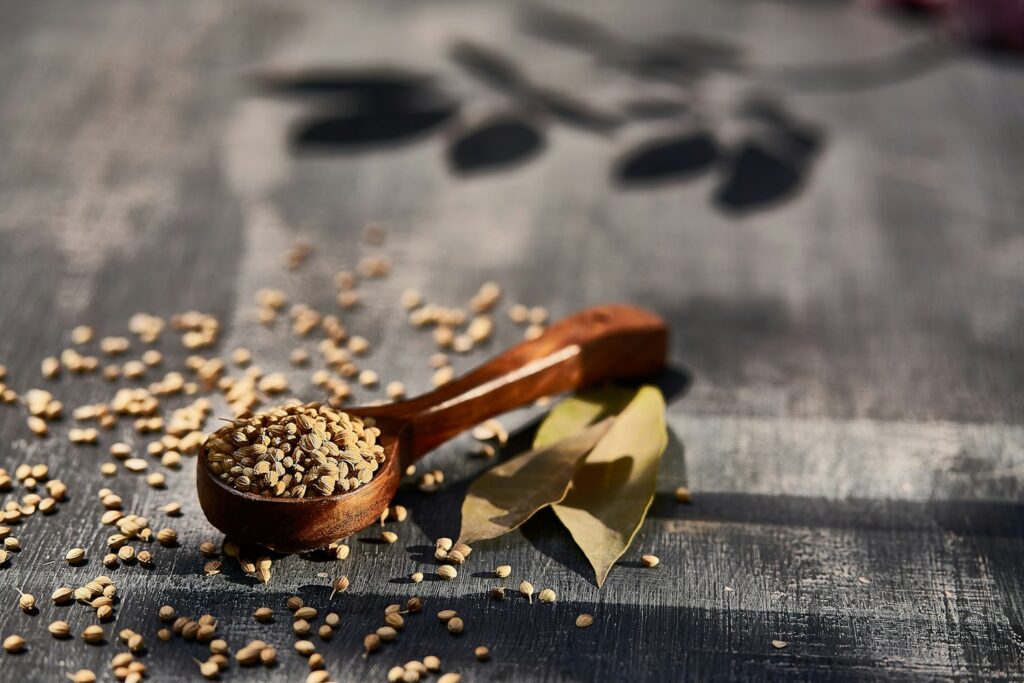
Common Names: Ajowan
Genus: Trachyspermum
Parts Used: Leaf, Root, Seed
Medicinal Actions: Digestive Aid, Menstrual cramps, Oral health support, Respiratory Support
Preparation Methods: Tea/Infusion
Tags: Ayurveda, Digestive, Respiratory, Traditional Medicine
Entry Type: Plant
Status: Research
Summary:
Ajwain (Trachyspermum ammi) is a foundational spice and medicinal herb in South Asian traditions, particularly Ayurveda, where it has been used for 2,500+ years to treat digestive complaints, respiratory conditions, and infections. Its primary bioactive compound, thymol (shared with thyme), is responsible for documented antispasmodic, carminative, bronchodilatory, and antimicrobial effects. Clinical evidence is limited compared to preclinical data, but its long traditional use for flatulence, colic, and nasal congestion aligns well with pharmacological research. Safe at culinary doses; the concentrated essential oil requires caution at high doses (Bairwa et al., 2012; Boskabady et al., 2014).
Distribution:
Primarily native to the Eastern Mediterranean region, specifically Egypt, and parts of Western Asia, including Iran (Persia) and Turkey. (https://www.sciencedirect.com/topics/agricultural-and-biological-sciences/ajwain#:~:text=Ajwain%2C%20although%20primarily%20grown%20and,.kitchenwonders.blogsspot.com.)
Notes:
The dominant bioactive compound is thymol (35–60% of essential oil), with carvacrol, cymene, and terpinene also present. Thymol is the same compound responsible for thyme’s antimicrobial and antispasmodic properties – which explains the folk name ‘Indian thyme’ for ajwain (Bairwa et al., 2012).
Digestive effects: Thymol relaxes smooth muscle in the gastrointestinal tract, reducing intestinal cramping and facilitating passage of gas. This is the primary mechanism behind its traditional use for flatulence, indigestion, and colic. In vivo studies confirm antispasmodic and carminative activity (Boskabady et al., 2014).
Respiratory: Inhaling steam from ajwain water (crushed seeds in hot water) is a traditional South Asian remedy for nasal congestion and bronchospasm. Thymol has demonstrated bronchodilatory effects in animal models and is a component of commercial expectorant preparations (Boskabady et al., 2014).
Antimicrobial: Ajwain essential oil shows strong activity against common food-borne pathogens including E. coli, Salmonella, and Aspergillus in vitro. Thymol has well-established bactericidal and fungicidal properties (Shova et al., 2020).
Oral health: Thymol is an active ingredient in Listerine mouthwash; ajwain extract has shown anti-plaque and antibacterial effects against oral pathogens in vitro (Awan et al., 2021).
0 Comments
Join the conversation
Log in or create a free account to share your thoughts and vote on comments.
No comments yet — be the first to share your thoughts.